
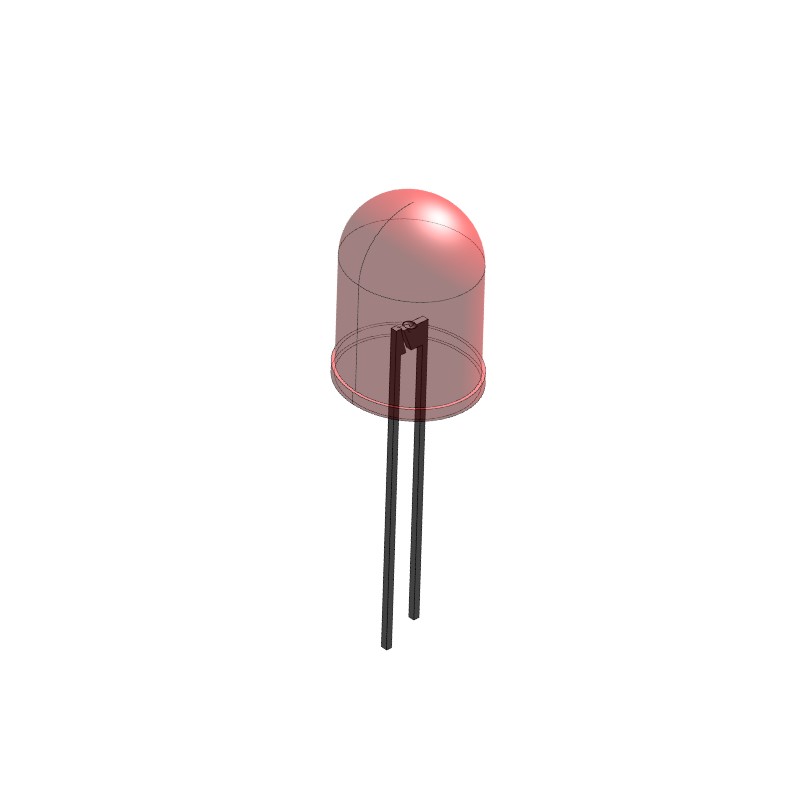
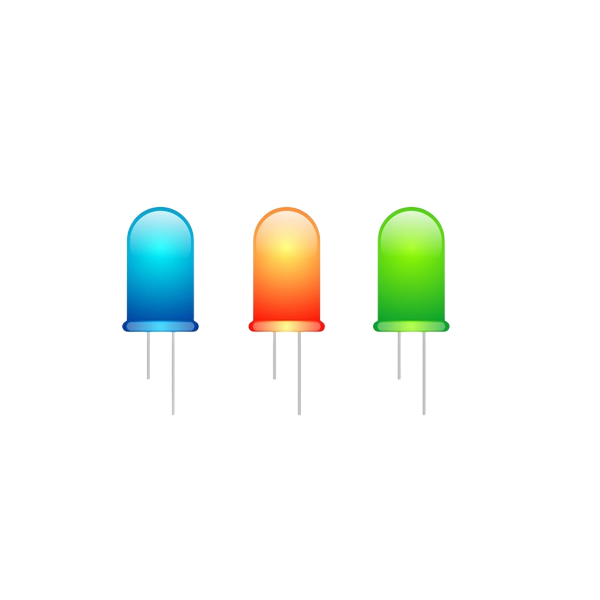
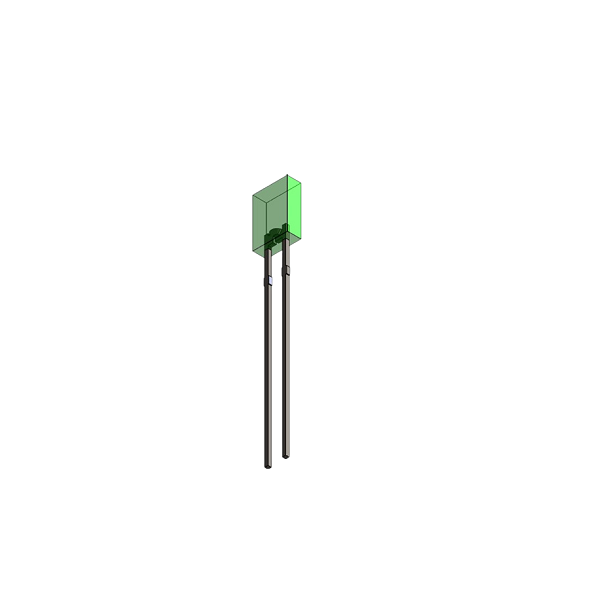

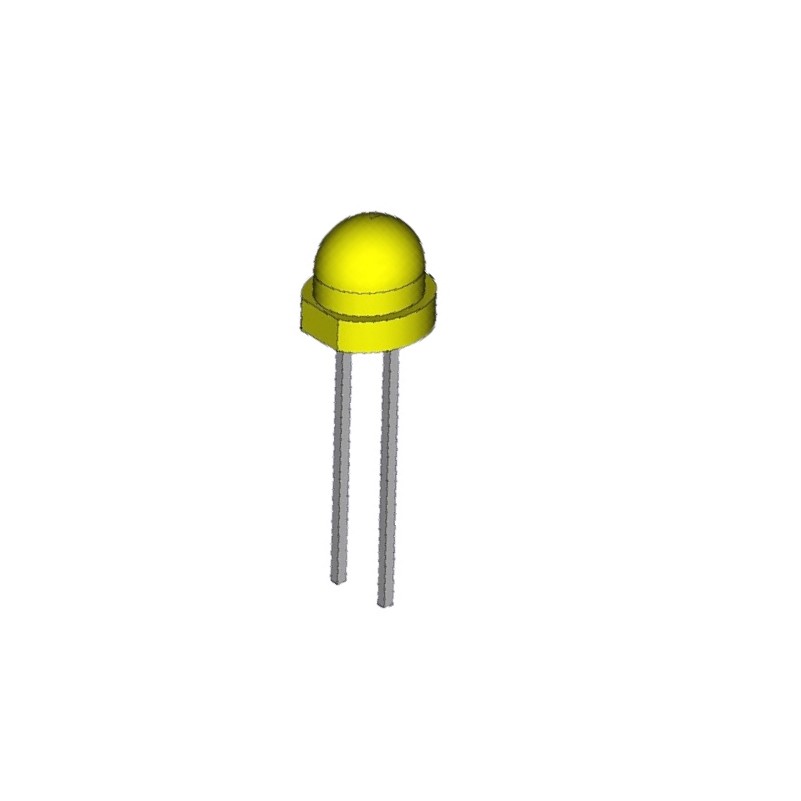
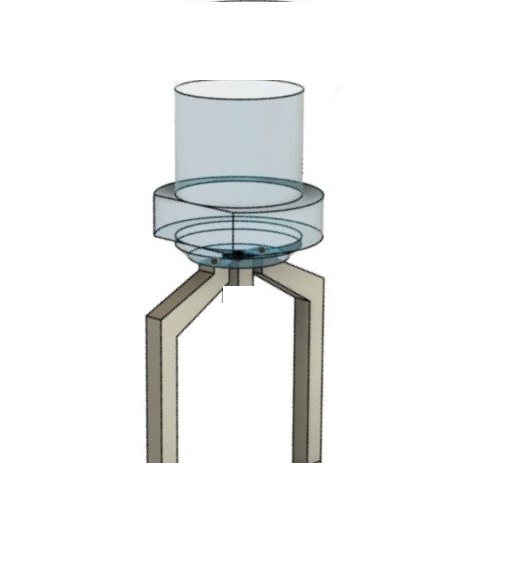
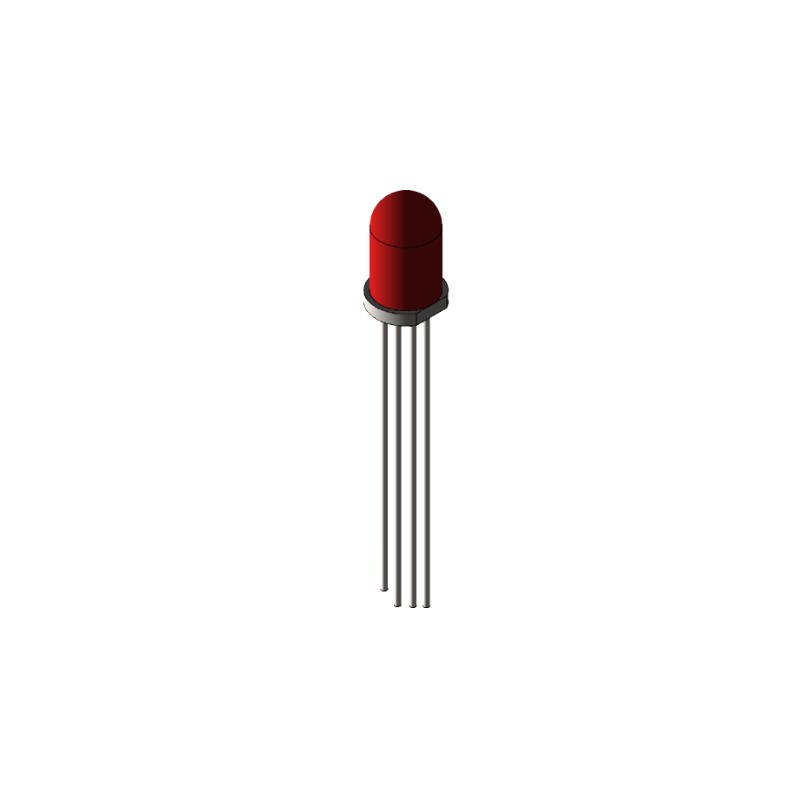
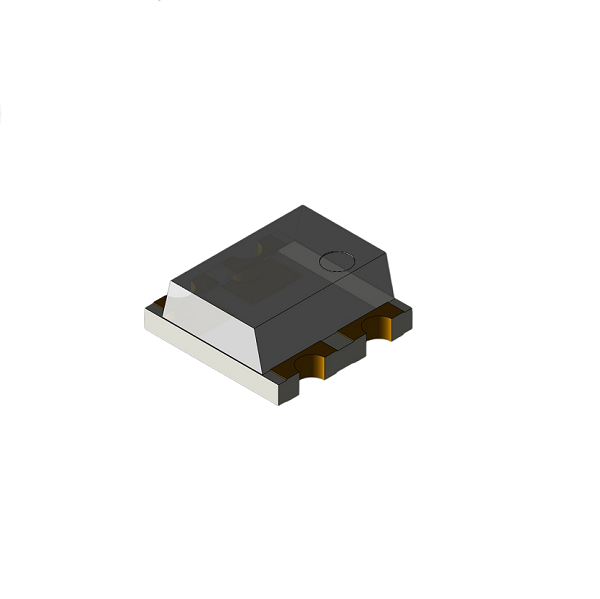
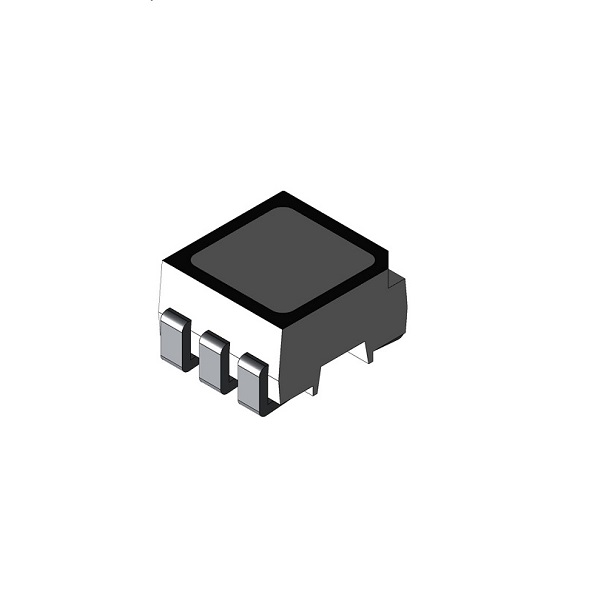
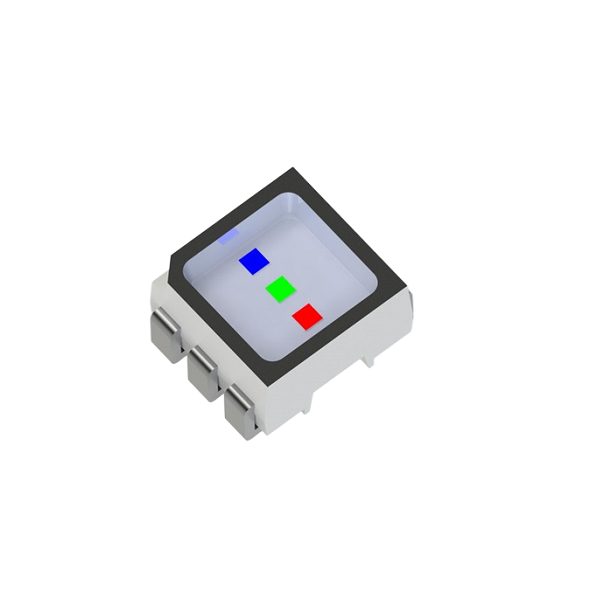




Light-emitting diode (LED) is a popular lighting technology that has revolutionized the lighting industry. One type of LED is the surface-mount device (SMD) LED, also known as chip-on-board (COB) LED. In this article, we will explore the English terminology for SMD LED, providing background information and discussing various aspects of this innovative lighting technology.
1. Introduction
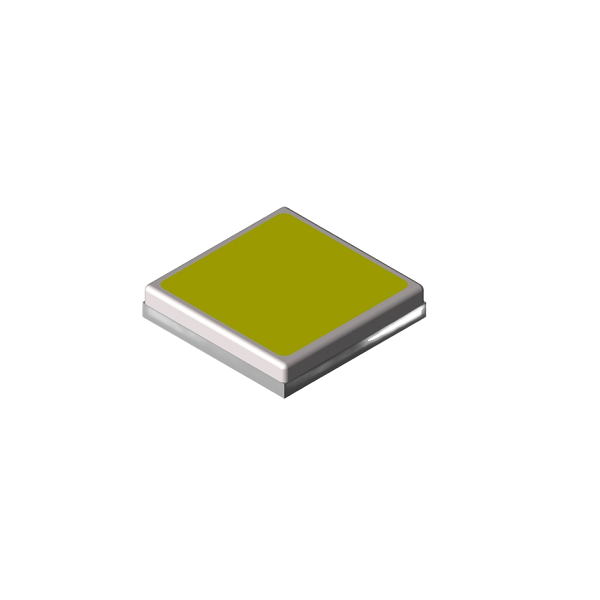
SMD LED, or surface-mount device LED, refers to a type of LED that is mounted directly onto a printed circuit board (PCB). This technology has gained popularity due to its compact size, high energy efficiency, and long lifespan. SMD LEDs are widely used in various applications, including residential lighting, commercial lighting, automotive lighting, and electronic displays.
2. Key Aspects of SMD LED
2.1. Structure
The structure of an SMD LED consists of three main components: the LED chip, the package, and the soldering pads. The LED chip is the actual light-emitting component, responsible for producing light when an electric current passes through it. The package serves as a protective enclosure for the LED chip, providing mechanical support and thermal management. The soldering pads allow for easy attachment to the PCB.
2.2. Advantages
SMD LEDs offer several advantages over traditional lighting technologies. Firstly, they are highly energy-efficient, converting a large portion of electrical energy into light, resulting in significant energy savings. Secondly, SMD LEDs have a longer lifespan compared to incandescent or fluorescent bulbs, reducing maintenance and replacement costs. Additionally, SMD LEDs are compact and versatile, allowing for flexible design and installation options.
2.3. Applications
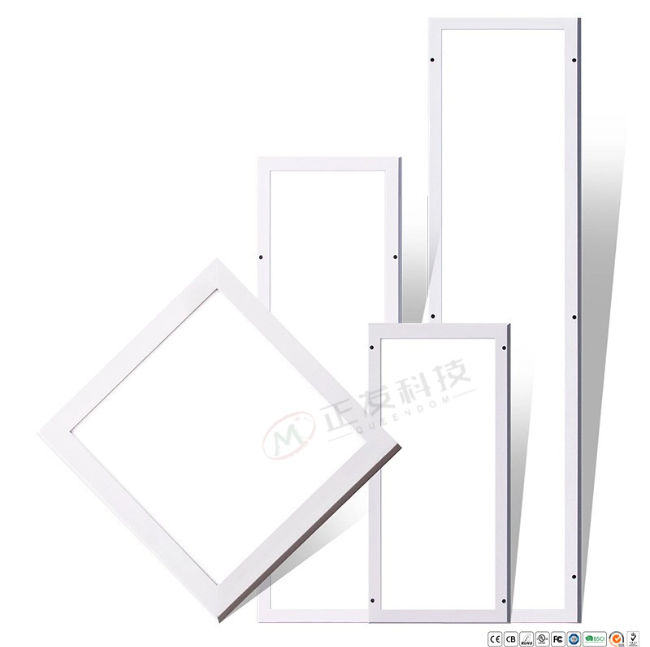
SMD LEDs find applications in various industries and sectors. In the residential sector, they are commonly used for general lighting, task lighting, and decorative lighting. In the commercial sector, SMD LEDs are utilized for office lighting, retail lighting, and architectural lighting. In the automotive industry, they are employed for headlights, taillights, and interior lighting. Furthermore, SMD LEDs are utilized in electronic displays, such as televisions, smartphones, and digital signage.
3. Conclusion
In conclusion, SMD LED, or surface-mount device LED, is a compact and energy-efficient lighting technology widely used in various applications. Its structure, advantages, and applications make it a popular choice for both residential and commercial lighting needs. As technology continues to advance, further research and development in SMD LED are expected, leading to even more efficient and versatile lighting solutions.
By understanding the English terminology for SMD LED, readers can gain a deeper appreciation for the innovation and impact of this lighting technology. Whether it is for energy-efficient home lighting or vibrant electronic displays, SMD LED plays a crucial role in our daily lives. As we move towards a more sustainable future, the continued advancement of SMD LED technology will contribute to reducing energy consumption and enhancing lighting experiences.


 扫一扫联系客服
 扫一扫手机访问